

Dubai’s retail landscape is one of the most competitive and experience-driven markets in the world. From luxury boutiques in Dubai Mall to lifestyle stores in Mall of the Emirates and community retail destinations across the city, brands compete for customer attention every second.
In this environment, visual merchandising is more than store decoration—it’s a strategic tool that influences customer behaviour, increases dwell time, and drives sales.
At KBC Visualworks, we’ve seen how well-executed retail displays, strategic signage, and engaging visual merchandising campaigns can transform retail spaces into memorable brand experiences.
This guide explores practical visual merchandising techniques tailored to Dubai’s retail market and explains how retailers can create displays that attract customers and improve conversions.
Why Visual Merchandising Matters in Dubai
Dubai’s shoppers have high expectations. They regularly interact with global brands, luxury environments, and innovative retail experiences.
Whether you’re operating a flagship store, or specialty boutique, your store environment directly impacts how customers perceive your brand.
Effective visual merchandising can help retailers:
- Increase footfall
- Improve customer engagement
- Encourage impulse purchases
- Extend dwell time
- Increase average transaction value
- Strengthen brand recognition
Seasonal events such as Ramadan, Eid, Dubai Shopping Festival, and back-to-school campaigns create additional opportunities for retailers to refresh displays and capture customer attention.
Based on our experience delivering retail branding and visual merchandising projects across Dubai, stores that regularly update displays often see stronger customer engagement and repeat visits.
Retail Store Layout Ideas for Better Flow and Sales
Create a Decompression Zone
The decompression zone is the first few feet inside your store entrance where customers transition from a busy mall environment into your retail space.
Keep this area open and uncluttered. Avoid placing promotional messages or high-density displays here.
Instead, focus on:
- Clear sightlines
- Welcoming signage
- Minimal visual distractions
- Strong brand identity
A well-designed entrance encourages customers to explore the rest of the store.
Leverage the Power Wall
Position bestselling or high-margin products on the right-hand wall or the first sightline from the entrance.
Enhance your power wall with:
- Accent lighting
- Digital signage
- Seasonal messaging
- Rotating hero products
At KBC Visualworks, we’ve found that combining illuminated displays with clear promotional messaging helps retailers increase product visibility and customer interaction.
Use Zoning for Different Shopper Behaviours
Different customers shop differently.
Create dedicated areas for:
- Quick purchases
- New arrivals
- Seasonal promotions
- Product discovery
Multilingual signage and intuitive navigation can improve the shopping experience for Dubai’s diverse customer base.
Adapt Layouts for based on retail formats
Retail formats require different merchandising strategies.
Small shops should focus on high-impact displays and quick decision-making.
Boutiques should create immersive experiences through thoughtful layouts, storytelling, and comfortable browsing spaces.
Retail Display Techniques That Increase Sales
Plan Three Layers of Retail Lighting
Lighting plays a crucial role in customer perception and purchasing decisions.
Use three layers of lighting:
- Ambient lighting for overall illumination
- Accent lighting to highlight hero products
- Task lighting for fitting rooms and checkout counters
Well-planned lighting increases perceived value and directs customer attention.
Choose the Right Colour Temperature
Different products require different lighting approaches.
- Warm lighting complements fashion, jewellery, and home décor.
- Neutral and cool lighting work well for electronics and beauty products.
Selecting the appropriate colour temperature helps reinforce your brand identity.
Use Premium Materials and Finishes
Display materials influence how customers perceive product quality.
Consider using:
- Glass display units
- Brushed metal finishes
- Textured backdrops
- Premium shelving systems
These elements align with the expectations of Dubai’s premium retail environment.
Rotate Focal Points Regularly
Refresh featured displays every one to two weeks.
Update:
- Hero products
- Seasonal campaigns
- Promotional messaging
- Signage and props
Retailers that frequently refresh displays create a stronger sense of urgency and encourage repeat visits.
Get Your Retail Branding Right: Identity, Signage, and Cultural Relevance
Maintain a Consistent Brand Identity
Ensure consistency across all customer touchpoints, including:
- Window displays
- Retail signage
- Packaging
- Point-of-sale materials
- Staff uniforms
A consistent visual identity builds recognition and trust.
Integrate Signage into the Customer Journey
Signage should do more than provide information.
It should guide, educate, and influence customer behaviour through:
- Wayfinding signage
- Promotional displays
- Digital screens
- Product information systems
Effective signage improves navigation and enhances the shopping experience.
Align with Local Culture
Dubai’s multicultural audience values authenticity and cultural relevance.
Incorporate:
- Arabic typography
- Multilingual messaging
- Regional design influences
- Seasonal campaigns aligned with Ramadan and Eid
Culturally relevant visual merchandising helps brands connect more effectively with local and international shoppers.
Visual Merchandising Tips for Small Shops
Small retailers can achieve significant results without major investments.
Create Micro-Displays
Use compact, themed displays to showcase:
- New arrivals
- Limited-time offers
- Seasonal products
Launch Limited-Edition Collections
Create urgency through:
- Exclusive products
- Limited-time promotions
- Countdown signage
This strategy works especially well during Dubai Shopping Festival and holiday seasons.
Design Social Media-Worthy Spaces
Create branded photo opportunities that encourage customers to share their experiences online.
Include:
- Branded backdrops
- QR codes
- Campaign hashtags
User-generated content can extend your reach beyond the store.
Cross-Merchandise Complementary Products
Increase average basket value by pairing related products.
Examples include:
- Apparel with accessories
- Footwear with bags
- Coffee with premium snacks
Enhance Store Displays with Technology
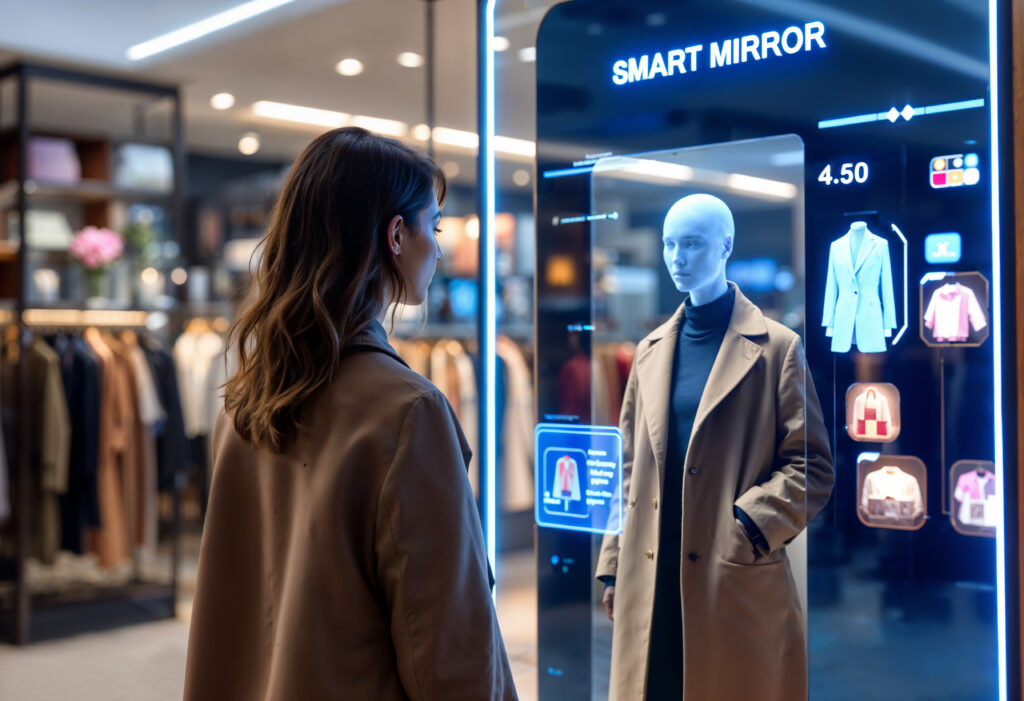
Interactive Screens
Interactive displays can provide:
- Product demonstrations
- Size guides
- Multilingual content
- Personalised recommendations
QR Code-Driven Experiences
QR codes can connect physical displays with digital experiences, including:
- Product information
- Loyalty programmes
- Online catalogues
- Exclusive offers
Augmented Reality (AR) Try-Ons
AR technology enables customers to virtually experience products before purchasing.
Popular applications include:
- Eyewear
- Cosmetics
- Fashion accessories
These technologies improve engagement and create memorable shopping experiences.
Transform Your Retail Space with KBC Visualworks
At KBC Visualworks, we help retailers create impactful environments that improve customer engagement and drive sales.
Our expertise includes:
- Visual merchandising solutions
- Retail display systems
- Window display design
- Custom display stands
- Retail signage
- Digital signage
- Seasonal campaign execution
Whether you’re launching a new store, refreshing an existing space, or planning a seasonal campaign, our team can help you create retail experiences that stand out in Dubai’s competitive market.
Contact KBC Visualworks today to discuss your next project.
FAQ
What are the most effective visual merchandising techniques for retail stores in Dubai?
The most effective techniques include strategic store layouts, power walls, layered lighting, integrated signage, cross-merchandising, and culturally relevant displays.
What is visual merchandising in retail?
Visual merchandising is the process of designing retail spaces to improve customer experience and increase sales through effective displays, layouts, lighting, signage, and branding.
How often should retailers update visual merchandising displays?
Most retailers should refresh key displays every one to two weeks and align seasonal campaigns with major events such as Ramadan, Eid, and Dubai Shopping Festival.
What role does signage play in visual merchandising?
Signage guides customers, communicates promotions, supports brand identity, and enhances product visibility.
What are the benefits of digital signage in retail stores?
Digital signage enables real-time content updates, personalised messaging, interactive experiences, and improved customer engagement.
Can small shops use the same visual merchandising strategies as large retailers?
Yes. Small retailers can apply the same principles through micro-displays, cross-merchandising, and social media-friendly experiences.
How long does it take to see results from visual merchandising improvements?
Retailers often notice improvements in customer engagement within a few weeks, while increases in conversion rates and average transaction values typically appear within one to three months.